
BetPawa Login Shop Nigeria: How to Register & Use
📝 Learn how to register, fund your BetPawa Login Shop account, navigate bets, and withdraw winnings safely in Nigeria. Tips to fix common login issues included.
Edited By
Chinwe Okafor
Back in 2013, BetPawa's mobile app was a pioneering tool for Nigerian sports bettors eager to place wagers on football and other popular games. Unlike today's slick platforms, the app’s early version had a simple, no-frills interface designed primarily for basic mobile phones, often running on 2G or 3G networks. This early stage of mobile betting offered speed and accessibility, but users frequently faced challenges logging in and navigating the app.
The login process in the old BetPawa app required users to enter their phone number as their primary identification, which doubled as their username. Passwords were typically numeric or simple alphanumeric codes, putting emphasis on quick access rather than tight security. This often led to problems, especially when users forgot their passwords or had network interruptions.
Some bettors found the login screens slow to respond, particularly in rural areas where internet speeds were unreliable. Unlike today’s apps featuring biometric or two-factor authentication, the 2013 app lacked such features, making account recovery and security a bit cumbersome. However, this simplicity also meant users with basic phones could still access the platform without extra tech barriers.
Getting started with BetPawa in 2013 meant balancing accessibility and basic tech limitations. Many users found the app intuitive despite its simplicity, but login hiccups were common.
Simple phone number and password input fields
Lightweight app size suitable for slow internet
Lack of biometric or advanced security protocols
Occasional login failures during peak hours or bad network conditions
To log in, users followed a straightforward two-step process:
Enter their registered phone number
Input the password previously set during account registration
Despite its challenges, this login system was revolutionary for many Nigerian bettors who previously relied on manual betting or USSD codes. It set the stage for BetPawa's later improvements that focused on speed, security, and usability.
Understanding these early hurdles helps appreciate the advances in today’s mobile betting ecosystem in Nigeria, where platforms now offer instant login options and address connectivity challenges far better than the earlier days.
The early BetPawa mobile platform played a significant role in shaping Nigeria's betting landscape at a time when mobile internet was just gaining traction. Understanding its features and limitations reveals how Nigerian bettors first interacted with mobile betting technology, highlighting both the challenges and opportunities that defined that period.
By 2013, smartphones had begun to find their way into the hands of many Nigerians, especially the youth and working professionals in urban centres like Lagos and Abuja. Affordable Android devices, often tokunbo (second-hand imports), alongside expanding 3G and 4G mobile internet networks from providers such as MTN and Airtel, made mobile internet more accessible. However, data costs remained a concern, and many still relied on public Wi-Fi or shared devices.
Before the advent of mobile apps like BetPawa, Nigerians mostly placed bets through physical shops or via USSD codes and SMS-based systems on feature phones. This meant limited access to real-time odds and no friendly user interfaces, which mobile apps would later provide. Mobile betting thus presented a new frontier for convenience and immediacy.
That said, challenges such as inconsistent network coverage and slow internet speeds affected app adoption. Poor smartphone battery life and storage also limited user experience. Many bettors had to wait in queue at betting shops or find spots with strong signals just to place bets via the apps, which often crashed or lagged under weak networks.
The 2013 BetPawa app was straightforward but barebones compared to today's standards. The user interface featured basic menus and text-heavy screens without graphics or animations. Navigation relied on tapping through lists rather than swiping or exploring rich betting dashboards. This simplicity helped it run on low-end devices commonly used in Nigeria then but also meant limited visual appeal.
As for betting markets, the app offered standard options like football match outcomes, over/under goals, and some popular leagues mostly from Europe and Nigeria. Live betting was either very minimal or absent, reflecting early mobile betting trends where pre-match wagers dominated. The odds display was simple, with no advanced statistics or live updates.
Compatibility stretched mainly to Android devices running versions around 2.3 (Gingerbread) to 4.0 (Ice Cream Sandwich) and basic Java-enabled feature phones. iOS support was limited or non-existent due to higher development costs and smaller iPhone penetration in Nigeria at that time. This focus on Android and Java phones made the app accessible to the majority but brought challenges in uniform performance across devices.
Early BetPawa mobile platform laid groundwork for today's dynamic sports betting scene in Nigeria despite its basic features and connectivity hurdles.
In summary, the 2013 BetPawa app offered Nigerian bettors a new way to interact with betting markets on their phones for the first time. While limited by user interface simplicity, fewer bet types, and connectivity struggles, it marked a practical shift from physical shops to mobile platforms, setting the stage for future innovations in Nigerian sports betting.
Getting a grip on the old BetPawa mobile login process helps us appreciate how Nigerian bettors managed access to betting accounts back in 2013. This was a time when mobile internet was still finding its feet and many users faced hurdles logging in. Understanding the steps and challenges gives you practical insight, especially if you're trying to access an old account or compare with current, more efficient platforms.
The first step was downloading the BetPawa app, usually from the website, since app stores in Nigeria weren’t as widely used or reliable then. Installation required at least basic smartphone OS like Android 2.3 or Symbian for some users, so not all phones were compatible. Registration demanded a valid phone number, often a Nigerian number, and the user had to create simple credentials. This process was vital because it tied the bettor’s identity to their mobile line, which was often their only contact point.
Once registered, users logged in by typing their username and password on the app’s login screen. The interface was quite basic, with no support for biometric options like fingerprint or face ID, which Nigerian fintech now often offers. Users had to recall their login details, a task that was not always straightforward given the lack of password managers or autofill features on most phones then. This step was critical because any slip in credentials meant repeated attempts or lockouts, costly if bets were time-sensitive.
Security depended heavily on SMS verification codes. After entering credentials, the app sent a one-time PIN (OTP) via SMS to confirm the user’s identity. This extra layer helped secure accounts, especially given the prevalence of shared phones or poorly secured devices at that time. However, this method also posed challenges because unreliable network connectivity sometimes delayed SMS delivery, leading to failed or slow login attempts. Still, the SMS step was key to protecting user funds and personal information.
Poor internet coverage was a major headache. Many users relied on 2G or patchy 3G networks. Since the app depended on mobile data to communicate with servers, slow or intermittent connections often caused timeouts during login. Nigerian cities outside Lagos or Abuja suffered especially, forcing bettors to switch locations or restart modems to reconnect. These hiccups often frustrated users wanting to place quick bets during live matches.
Forgotten passwords were tricky to recover due to limited automation. Resetting usually involved sending an SMS to a designated number or contacting customer care, which itself could be slow or unreachable during peak periods. Unlike today’s streamlined processes with email links or app notifications, bettors back then waited hours or days before regaining access, potentially missing profitable betting windows.
The old BetPawa app often crashed on older phones or those with low memory. It was not optimised well for all devices common in Nigeria, causing sudden exits or freezing. For example, some budget Android phones from that era struggled to keep the app running smoothly alongside other background tasks. This problem made betting stressful, especially when trying to act fast on odds changes. Occasional app updates to fix bugs were rare and cumbersome to install.
Despite its limitations, the 2013 BetPawa login experience laid groundwork for today’s improved platforms. Knowing these older login steps and challenges helps current bettors appreciate the progress and better prepare for accessing legacy accounts.
Looking back at the BetPawa mobile app from 2013 and comparing it with today's versions helps us understand how far mobile betting technology has come, especially for Nigerian users. It also highlights practical improvements that have made betting more accessible and reliable. For instance, bettors in 2013 often dealt with sluggish navigation and limited betting markets, whereas today’s platforms offer a smoother experience with a wide range of options and secure payment methods tailored to local preferences.
The 2013 BetPawa app featured a rather basic and sometimes clunky user interface that could confuse new users. Buttons were often small and menus cluttered, making it hard to find specific bets or account features quickly. In contrast, modern versions sport cleaner layouts with clear menus and larger buttons designed for easy one-handed use, especially on smaller smartphone screens common in Nigeria. This shift means users can place bets or check results faster without unnecessary clicks or delays.
Plus, recent BetPawa apps embrace vibrant colour schemes and simple fonts that improve readability even in bright daylight—a practical feature given the frequent Nigerian power outages or outdoor betting environments.
In 2013, many Nigerian bettors relied on EDGE or 3G networks, and the old BetPawa app wasn’t always optimised to handle slow connections well. This led to long waiting times or failed actions, discouraging many from placing bets on the go.
Today’s app versions are built to load quickly on 4G networks, which are more widespread across Nigerian cities. Optimised coding and efficient data use allow pages to render fast, even under moderate network strength. This improvement helps bettors grab timely betting opportunities, especially with live events where seconds count.
Back in 2013, BetPawa’s betting options were limited mostly to pre-match football markets and a handful of other sports. This restricted bettors who wanted more dynamic experiences. The newer apps now feature live betting—letting users wager while matches unfold—plus a broader selection of sports like basketball, tennis, and even eSports. This variety gives Nigerian bettors more chances to find value bets aligned with their knowledge.
Live betting also enables real-time strategy adjustments, which is a big deal for more experienced bettors.
One of the biggest changes since 2013 is how BetPawa now supports payment methods widely used by Nigerians. Originally, depositing or withdrawing required complex bank transfers or manual processes that were slow and sometimes costly.
Modern BetPawa apps integrate platforms like Paystack and Flutterwave, offering quick card payments, bank transfers, and even USSD options suitable for users without smartphones. This has simplified fund management and boosted trust in the platform, encouraging more Nigerians to participate safely in mobile betting.
Overall, appreciating the differences between BetPawa’s 2013 app and today’s version shows how technology and local adaptation have combined to improve the betting experience for Nigerian users significantly.
Many Nigerian bettors who used BetPawa’s mobile app back in 2013 still want access to their old accounts. Whether to check past bets or retrieve balances, knowing how to access those early accounts remains relevant. The challenge is that the initial app version is outdated and may no longer work on modern devices. This section offers practical tips to regain access, focusing on recovering login details and handling situations where the old app is unsupported.
For many users, password loss or forgotten usernames pose the biggest hurdle. BetPawa allowed account recovery using the phone number or email linked during registration. Typically, you would initiate a password reset by entering your registered phone number or email on the login page. The system then sends a verification code via SMS or email to confirm your identity before you create a new password. This method is still effective today for those whose contact details remain active.
In some cases, users may no longer have access to the registered phone number or email. That complicates recovery, but there's still a way out. BetPawa’s customer support team can assist by verifying your identity based on account activity, such as previous bets or transaction history. Providing accurate details speeds up the process and helps prevent unauthorized access.
When automated recovery options fall short, reaching out to BetPawa’s customer support becomes essential. The support team can help users regain access by cross-checking information and providing manual password resets. It’s advisable to contact them through official channels like the website’s live chat or verified social media platforms to avoid scams.
Always have your account details ready, such as username, registered phone, and approximate dates of use. These details help the support team confirm your identity. Timely communication with BetPawa support increases chances of swift recovery, especially if you encounter difficulties with the older login process.
Given that the 2013 BetPawa app was designed for earlier smartphones and operating systems, it might not function properly now. Thankfully, BetPawa has modernised its platform with updated web and mobile interfaces. You can access your account through their current website or download the latest app version available in app stores. These updated platforms support better security features and smoother navigation, fitting current network and device standards.
For those who find challenges moving to BetPawa’s newer versions, exploring other popular betting apps in Nigeria is a good option. Apps like Bet9ja, Sportybet, and Nairabet offer current features, reliable payment integration, and customer support tailored for today’s bettors. Moving to a newer app also ensures compliance with Nigerian betting regulations and improved user experience.
Nigerian bettors holding on to old BetPawa accounts should prioritise account security and update to supported platforms for the best experience.
These tips provide a straightforward approach for anyone wanting to reconnect with the old BetPawa system or transition to better options without losing access to crucial betting data or funds.
Mobile betting apps have become a key part of Nigeria’s gambling landscape, especially since the early 2010s. These platforms reshaped how Nigerians place bets, moving away from traditional shops and kiosks to on-the-go mobile interactions. This shift has made betting faster, more accessible, and has opened opportunities for casual bettors and professionals alike.
Since 2013, the number of Nigerians using smartphones has surged, supported by improving mobile internet coverage. While early mobile betting relied heavily on basic handsets and limited data, today's widespread availability of affordable 3G and 4G networks ensures smoother betting experiences across the country. For example, markets in Lagos, Kaduna, and Port Harcourt now see millions placing bets through apps like BetPawa or Bet9ja daily, thanks to easy smartphone access and cheaper data bundles.
Growth in mobile penetration also means bettors no longer need to visit physical betting shops, reducing costs like transport or time spent in traffic. Local apps have capitalised on this trend by optimising for slower connections and smaller devices, allowing users even in less connected areas to join the betting scene. This evolution significantly expanded the market, encouraging betting habits among younger Nigerians and professionals who juggle busy schedules.
The Nigerian government and regulatory bodies have played a growing role in shaping mobile betting. Agencies like the National Lottery Regulatory Commission enforce rules to curb illegal betting and protect consumers. Meanwhile, the Central Bank of Nigeria (CBN) adjusts policies affecting payments and funds flow within betting apps, impacting how deposits and withdrawals happen.
Regulations targeting responsible gambling have led to features like deposit limits and self-exclusion options in several modern apps. Compliance with Know Your Customer (KYC) rules also requires betting operators to verify users’ identities using BVN (Bank Verification Number) or NIN (National Identification Number), a step that was less stringent back in 2013. These rules aim to foster safer gambling environments but sometimes complicate access for casual players unfamiliar with digital processes.
Mobile betting apps offer unmatched convenience. Nigerians can place bets anywhere: during danfo rides, breaks at the office, or while waiting at the barbing salon. This on-demand access has boosted betting participation but also increased risks of impulsive betting and addiction. The availability of instant deposits via platforms like Paystack or Flutterwave means funds move swiftly, making big stakes possible without much thought.
Bettors must balance enjoyment with caution. Many apps now include warnings about responsible gambling, but user vigilance is crucial. Instances of excessive losses or chasing bets are common challenges, especially in ember months when spending spikes for festivities. Education on gambling risks remains limited, so many bettors rely on peer advice or online forums.
Football remains Nigeria’s favourite sport for betting, with markets focused on local leagues, the English Premier League, and international tournaments like the Africa Cup of Nations. Most bettors prefer simple wager types — match outcomes, over/under goals, or first goal scorer — although live betting has gained ground more recently.
Betting patterns show peaks around weekends and major games, with many Nigerians viewing betting as both entertainment and a side income. Besides football, basketball and tennis markets attract smaller, dedicated bettors. The rise of mobile apps also introduced multipliers and accumulator bets, which increase potential winnings but carry higher risks.
Mobile betting apps in Nigeria have reshaped the gambling scene by combining convenience and wider access with challenges related to regulation and responsible play. Understanding these dynamics helps bettors make informed decisions and adapt to the evolving landscape.
📝 Learn how to register, fund your BetPawa Login Shop account, navigate bets, and withdraw winnings safely in Nigeria. Tips to fix common login issues included.
Download the Betpawa app on Play Store 📲 for smooth betting experience in Nigeria 🇳🇬. Get quick tips, installation help, secure betting, and app features in one guide!

Learn how to register and log into BetPawa Nigeria easily 🏆. Get tips on account security, solve common login issues, and enjoy smooth betting in ₦ with ease 🎯.
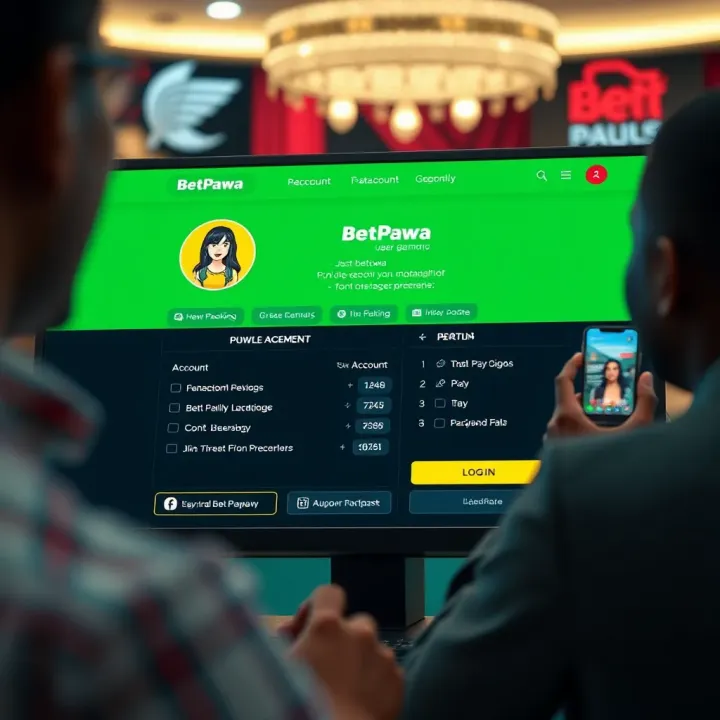
Discover BetPawa Sports 🎯, Nigeria’s go-to for online betting! Learn payment options, markets, security, plus smart tips for safe, winning bets in ₦ today.
Based on 12 reviews