

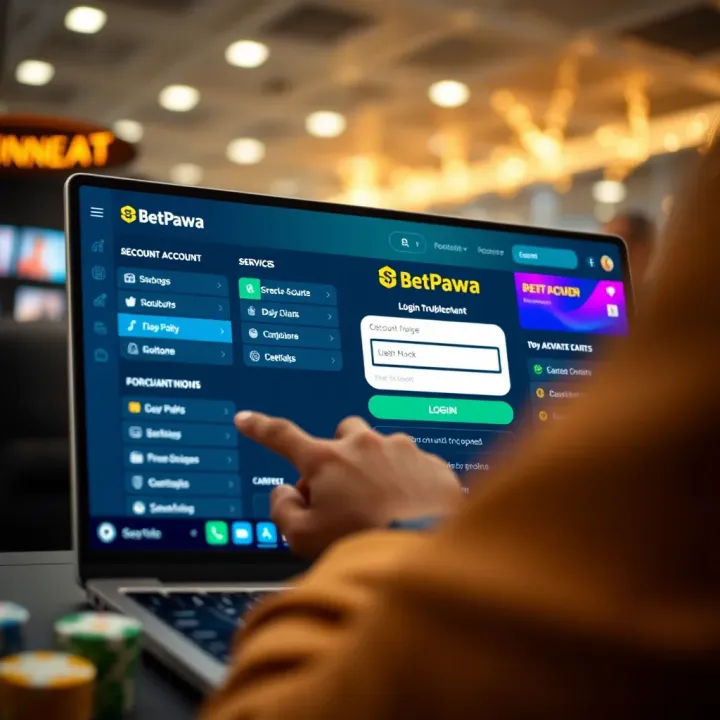
BetPawa Lite Login Guide for Nigerian Players
🎯 Learn how to easily log into BetPawa Lite in Nigeria for smooth sports betting action. Get practical tips, solve issues fast, and bet safely with confidence! 💰⚽
Edited By
William Price
Gambling addiction is fast becoming a pressing issue in Nigeria, driven by the rise of online betting platforms and ever-growing social pressures. From sports bets on local football leagues to Lagos betting shops and mobile apps, access has never been easier. While many engage in betting for fun or occasional excitement, some find themselves caught in a cycle that affects their finances, relationships, and mental health.
Understanding gambling addiction is crucial for anyone involved in betting or concerned about its impact. It happens when the desire to bet persists despite negative consequences, often leading to loss of control and mounting debts. Unlike casual bettors, addicted individuals may prioritise betting over essentials like food, rent, or education fees. For example, a trader in Kano might borrow repeatedly to chase losses, worsening financial strain.
Gambling addiction does not only harm the individual but affects families and communities, contributing to social problems like crime and poverty.
Several factors contribute to this spike in addiction cases in Nigeria:
Widespread availability of betting outlets in major cities and towns
Aggressive advertising especially on social media platforms like Instagram and Twitter
Peer pressure and the hope of quick money amidst economic challenges
Lack of effective regulations and support services tailored to gambling issues
The consequences are severe. Many affected Nigerians suffer from anxiety, depression, and strained family ties. There have been cases of embezzlement and fraud to fund betting habits, highlighting the need for urgent responses.
Given these realities, raising awareness about gambling addiction's signs and the assistance available is vital. Targeted support from health professionals, community groups, and policymakers can provide pathways out of addiction. For instance, some NGOs now offer counselling services and financial advice specifically for problem gamblers.
This article will examine the root causes, social and economic impact, existing support structures, and practical steps Nigerians can take to address gambling addiction effectively. Whether you are a bettor, a parent, or a policymaker, understanding these dynamics will help you engage with the issue meaningfully.
Grasping what gambling addiction entails and its social footprint is vital for Nigerians faced with its widespread effects. Gambling addiction — often overlooked — is a serious issue that affects not only individuals but entire families and communities. With Nigeria's growing access to betting platforms, particularly among youths and working professionals, understanding the problem helps in spotting the signs early and pushing for practical responses.
This knowledge is key to curbing financial ruin and shattered relationships that emerge from compulsive betting. For example, many young Nigerians in Lagos and Abuja who rely on sports betting to make quick money end up caught in cycles of frustration and debt. By identifying gambling addiction as a health concern rather than a mere moral failing, society can open doors to better support systems and preventive measures.
Gambling addiction, also known as compulsive gambling, occurs when someone loses control over their betting habits despite serious negative consequences. Signs include constant preoccupation with betting, chasing losses by making riskier bets, and neglecting social and financial responsibilities. For instance, a trader in Kano may spend more hours checking results and placing bets than managing their business, leading to income loss.
Recognising these signs early can prompt affected individuals to seek help before problems escalate. It’s also important to note that gambling addiction affects mental health, often causing anxiety and irritability when not betting.
In Nigeria, sports betting remains the dominant form of gambling, with platforms like Bet9ja, NairaBet, and MerryBet serving millions of users daily. Besides sports betting, lotteries and scratch cards continue to engage many Nigerians seeking quick financial gains. Traditional street games, informal betting in neighbourhoods, and even online casino games also contribute to addictive behaviours.
Understanding these common types clarifies where the risks lie and what interventions might work best to target problem gamblers.
Gambling addiction strains family ties severely. Regular losses or unpaid debts cause arguments, mistrust, and in worst cases, separation. A wife may notice her husband constantly borrowing from relatives to settle bets, while children suffer neglect because of financial instability.
In Nigerian communities where extended family networks are strong, this ripple effect causes widespread distress and stigma.
Persistent gambling drains personal finances and often pushes individuals into debt traps. It’s common to see people borrowing from loan sharks or taking advance salaries to fund betting. This financial instability limits everyday essentials, affecting the gambler’s quality of life and that of their dependents.
For example, some youths in Jos have lost savings meant for education to betting, worsening their economic outlook.
In extreme cases, desperation from gambling losses leads some to crime, including theft or fraud, to cover debts. Such a link is recognised by security agencies when investigating financial-related offenses.
Mental health also suffers; gamblers may experience depression, anxiety, and social withdrawal. Unfortunately, mental health support in Nigeria remains limited, making recovery more difficult without proper frameworks.
Understanding the depth of gambling addiction's impact allows families, communities, and policymakers to take practical action. Recognising early signs and consequences is the first step to building support networks that can reduce harm across Nigeria.

Gambling addiction in Nigeria doesn't arise from thin air; several factors act together to fuel this growing challenge. Understanding these factors is key to tackling the problem effectively, especially given Nigeria's unique economic and social landscape.
Sports betting has taken a front seat in Nigeria's entertainment and economic activities. Events like football matches, both local leagues and international fixtures, attract millions of Nigerians who place bets through numerous platforms. Lotteries also remain popular, particularly in urban centres where proximity to agents is high. This widespread participation has normalised gambling, blurring the lines between casual play and compulsion. For example, many youths see placing bets on the English Premier League or local NPFL as a regular pastime, often encouraged by recent stories of big wins in newspapers or online.
In many communities, betting has become a social activity where people gather, discuss matches, or share betting tips. Young adults especially feel the pressure to join peers not only to avoid being left out but also to demonstrate financial savvy by turning small bets into quick profits. Sometimes, this can spiral into chasing losses or escalating stakes beyond one's means. Community expectations to appear successful — whether through ostentatious spending or boasting of wins — reinforce the gambling behaviour, creating cycles that are tough to break.
Mobile technology has made gambling extremely accessible across Nigeria. Betting companies offer apps supported by mobile and internet services, allowing users to place bets anywhere, anytime — even in remote areas without computers. USSD codes (Unstructured Supplementary Service Data) also give non-smartphone users the ability to engage with betting services directly from their phone keypad. This convenience facilitates frequent betting, sometimes without users fully realising how much time and money they are spending until addiction sets in.
Social media platforms like Instagram, Twitter, and WhatsApp serve as megaphones for betting companies' adverts and promotional campaigns, reaching millions daily. Influencers and celebrities frequently showcase or endorse betting brands, making gambling appear glamorous and profitable. The constant exposure encourages impulsive betting, especially among young Nigerians who are highly active on these platforms. Ads often highlight big payouts and create a sense of urgency with limited offers, nudging vulnerable users towards risky gambling habits.
Many Nigerians confront daily financial stress, with unemployment and underemployment making steady income unreliable. Gambling presents itself as a tempting shortcut to financial relief. Stories of individuals turning ₦500 into ₦50,000 with a lucky bet circulate widely and provide false hope. This lure makes people gamble beyond their means, hoping to escape economic hardship quickly. Unfortunately, this often leads to deeper financial troubles when losses accumulate.
Nigeria's economic challenges, including several recessions and fluctuating oil prices, mean that many young people face job scarcity and reduced chances for career growth. When traditional routes to progress seem blocked, gambling stands out as an accessible, if risky, alternative. The lack of stable employment options combined with mounting living costs and low wages prompts some to gamble as a form of coping, further embedding addiction within vulnerable groups.
Addressing gambling addiction in Nigeria requires recognising these driving forces — cultural acceptance, technological ease, and economic realities — so that interventions can be better tailored to local needs and circumstances.
Addressing gambling addiction in Nigeria involves a combination of practical support systems tailored to the local context. These systems help individuals regain control, rebuild strained relationships, and reduce the socio-economic impact of compulsive gambling. Understanding these support options is crucial, especially as gambling platforms continue to spread across the country.
Both government and private organisations have launched initiatives to tackle gambling addiction, though with varying reach. The National Drug Law Enforcement Agency (NDLEA) and some mental health institutions offer counselling services specifically designed for behavioural addictions like gambling. Private rehabilitation centres, often operating in cities like Lagos and Abuja, provide specialised programmes, though their services sometimes attract high fees, limiting access for many.
These centres generally provide a mix of individual therapy, group sessions, and family counselling. Cognitive behavioural therapy (CBT) is commonly used to help patients identify thought patterns driving their gambling habits and develop healthier coping strategies. Treatment plans often include relapse prevention and skills training, with follow-up support to ensure long-term recovery. The success of these centres depends largely on affordability, access, and cultural sensitivity to patients’ circumstances.
Local recovery networks are vital in offering practical, emotional, and social support outside formal institutions. Groups like Gamblers Anonymous Nigeria (GAN) meet regularly to share experiences and encouragement. These networks help individuals feel less isolated, fostering accountability and a sense of belonging. Their presence in various states helps extend recovery support beyond metropolitan areas.
Family and friends play a significant role in the recovery journey. In Nigeria, where extended family ties are strong, families often bear the immediate burden of a member’s gambling problems. Support from close relations can motivate change and provide needed stability. However, education is necessary to equip families with patience and strategies to handle relapse and withdrawal symptoms effectively.
Online counselling platforms and helpline services have become essential, providing accessible help regardless of location. Services like 24/7 helplines run by NGOs and some government-affiliated bodies assist gamblers anonymously, offering immediate advice and referrals to appropriate care. This is especially handy in areas lacking physical centres.
Awareness campaigns and educational programmes are also on the rise, often spearheaded by civil society organisations and media outlets. These campaigns educate the public about gambling risks, signs of addiction, and available help. For instance, social media pages dedicated to addiction awareness share testimonies, prevention tips, and updates on support services, making the information easily reachable to younger Nigerians engaged online.
Effective support for gambling addiction in Nigeria requires building on existing services while expanding digital access and community involvement to reach all affected groups.
In summary, Nigeria’s support systems combine traditional counselling, community grouping, and digital tools. For anyone struggling or knowing someone at risk, tapping into these varied resources increases the chances of lasting recovery.
Treating gambling addiction in Nigeria faces several serious obstacles that hinder progress. Understanding these challenges is vital for designing effective support systems and policies. They range from societal attitudes to weak infrastructure and regulatory shortcomings. These factors combine to limit the number of people who access meaningful treatment.
Social taboos around addiction have deep roots in Nigerian society. Many families prefer to keep addiction issues private, viewing them as personal failings rather than health problems. This silence drives affected individuals into isolation instead of encouraging them to seek help. For example, a young man caught gambling away family funds may face shame and blame, discouraging open discussions or early intervention.
Limited public understanding of gambling addiction adds another layer of difficulty. Unlike substance abuse, gambling addiction is often misunderstood or underestimated. Many think of it as mere lack of self-control or poor decision-making, not recognising it as a medical condition that requires treatment. As a result, few awareness campaigns target gambling specifically, leading to low recognition of warning signs by both sufferers and their families.
The shortage of trained professionals specialised in gambling addiction treatment is a major hurdle. Nigeria has limited psychologists and counsellors familiar with this issue, especially outside big cities. Most addiction experts focus on drug or alcohol dependency, leaving a gap in specialised care for gamblers. This means individuals receive generic support rather than tailored therapies proven effective for gambling behaviours.
Similarly, limited rehabilitation facilities make long-term recovery difficult. Few centres offer dedicated programmes for gambling addiction, and those available often lack funding or capacity. For instance, some rehabilitation centres in Lagos may treat gambling alongside other addictions but cannot provide the focused attention necessary for comprehensive treatment. Consequently, many gamblers are either turned away or fail to complete treatment.
Inadequate enforcement of gambling laws undermines efforts to control addiction. Betting operators sometimes run without strict oversight, leading to aggressive marketing tactics that encourage overindulgence. Enforcement agencies may lack resources or political will to monitor compliance effectively. This environment makes vulnerable individuals easy targets for excessive gambling.
The need for updated legislation on gambling addiction is urgent. Nigeria’s current laws focus primarily on licensing and tax compliance but do not mandate responsible gambling measures or fund addiction support. This legal gap means no minimum standards exist for protecting consumers or funding rehabilitation. Developing laws that require operators to implement controls, provide education, and support treatment would push the industry towards more responsible practices.
Addressing these challenges is key to making gambling addiction treatment practical and widespread in Nigeria. Without tackling stigma, improving infrastructure, and reforming regulations, progress will remain limited.
By recognising these barriers clearly, stakeholders—from government agencies to community groups—can develop targeted policies and services to close these gaps and help Nigerians struggling with gambling addiction find real support.
Addressing gambling addiction in Nigeria requires a clear strategy focused on prevention and effective support. Without concrete actions such as education, treatment, regulation, and community involvement, the problem will worsen, pushing more individuals into financial ruin and social isolation. Practical strategies can reduce harm, guide vulnerable groups away from dangerous gambling habits, and improve recovery chances.
Community programmes and school-based education offer a grassroots approach to curbing gambling addiction. Educating young people about the risks of betting and compulsive gambling within schools can build early awareness. For instance, incorporating lessons on financial literacy and addiction in secondary schools, especially in urban areas with high exposure to online betting platforms, can prepare youths to make informed decisions.
Similarly, community outreach programmes provide opportunities to reach adults in markets, churches, and social clubs. These programmes can use local languages and relatable examples to resonate widely. By involving respected community figures, the message carries more weight and trust.
Media campaigns targeting at-risk groups focus on those most vulnerable to gambling addiction, such as job seekers, students, and low-income earners looking for quick cash. Radio jingles, TV adverts, and social media posts explaining the dangers of excessive betting serve as constant reminders. For example, Lagos-based campaigns have used compelling stories of individuals who suffered gambling losses to warn others, often using platforms like Instagram and WhatsApp where many Nigerians get their news.
Targeted communication helps personalise the risks and encourages those affected to seek help early, reducing the stigma around addiction.
Training more counsellors and therapists trained in addiction psychology is critical because the current shortage means many gamblers don’t get appropriate care. Professional training should include understanding Nigerian socio-economic factors influencing gambling, allowing therapists to provide culturally relevant advice. Increased counselling capacity will ensure quicker access to support, preventing relapse.
Expanding access to affordable rehabilitation centres is equally important. Many existing facilities charge fees that are out of reach for most Nigerians. Subsidised or government-sponsored rehabilitation programmes would open doors for more people to recover without the burden of crushing costs. Mobile clinics and temporary community rehab units in states with high betting activity can also help reach underserved populations.
Stricter controls on betting companies would limit aggressive marketing tactics that target vulnerable groups. The Nigerian government and regulatory bodies should enforce clearer rules on advertising, ensuring betting operators do not promote unrealistic winnings or encourage underage gambling. Enforced licensing standards and fines for breaches could compel compliance.
Mandatory responsible gambling measures mean betting platforms must offer tools like self-exclusion options, betting limits, and clear warnings about addiction risks. For example, requiring users to set daily spending limits or introducing cooling-off periods can help gamblers control impulses. Nigeria should adopt policies compelling companies to implement these features.
Involvement of family in recovery improves chances of sustained rehabilitation. Families must understand gambling addiction as a health issue, not a moral failing, and actively support loved ones during treatment. Workshops and counselling that include families help rebuild trust and create a nurturing environment essential for recovery.
Building community support networks provides ongoing encouragement beyond formal treatment. Local groups, churches, and youth organisations can offer peer support, advice, and accountability, which are vital for preventing relapse. For example, community-based initiatives in Ogun and Kaduna have started informal gamblers’ support circles that meet regularly to share experiences and coping strategies.
Tackling gambling addiction calls for a broad approach—raising awareness, improving care, tightening laws, and rallying communities. Each strategy supports the others to create a stronger safety net around vulnerable Nigerians.
This multifaceted method holds promise for reducing the harms linked to gambling addiction while helping individuals regain control of their lives.
🎯 Learn how to easily log into BetPawa Lite in Nigeria for smooth sports betting action. Get practical tips, solve issues fast, and bet safely with confidence! 💰⚽

📚 Understand Betpawa's terms for Nigerian users: account setup, deposits, withdrawals, betting rules, promotions & your responsibilities for safer bets ₦!

⚽ Ready for BetPawa Bundesliga betting? Learn top tips, deposit methods, bonus offers, and smart strategies crafted for Nigerian punters to win big ₦! 💰

Discover BetPawa Sports 🎯, Nigeria’s go-to for online betting! Learn payment options, markets, security, plus smart tips for safe, winning bets in ₦ today.
Based on 14 reviews