

Understanding Flashscore and BetPawa Shop in Nigeria
⚽ Track live scores on Flashscore and bet smart with BetPawa Shop 🇳🇬 Discover how these platforms work, tips, and steps for smooth sports betting in Nigeria's digital space.
Edited By
Joshua Adebola
Aviator hack refers to a growing concern within the online gaming and sports betting world, particularly linked to the popular Aviator game. This type of hack involves exploiting weaknesses in the game’s technology or user accounts to gain unfair advantages or steal funds. While it may sound niche, the impact reverberates across Nigerian players, IT professionals, traders, and students involved in online gaming, betting, or digital financial transactions.
Cybercriminals use several methods to compromise Aviator accounts or manipulate the game’s outcome. These include using bots to automate winning moves, phishing to steal user login details, and exploiting software bugs or API vulnerabilities in the game platform itself. For example, a hacker may deploy a bot that places bets at split-second timings impossible for a human, or trick players into revealing sensitive information through fake login pages masquerading as the official platform.

Protecting yourself starts with understanding that these attacks are not just about the game but often lead to financial losses or data breaches that affect your broader online security.
Bot deployment: Automated programs that play better and faster than a human, skewing the fairness.
Phishing scams: Fake websites or messages that trick users into handing over their account credentials.
Credential stuffing: Using stolen usernames and passwords from other sites to access Aviator accounts.
API exploitation: Attacking backend systems where the game processes bets and transactions.
Nigerian players, especially those betting significant amounts in naira, can lose substantial sums if their accounts get hacked. To counter this, the following practical steps are crucial:
Always enable two-factor authentication (2FA) on betting platforms.
Use unique, strong passwords and update them regularly.
Avoid clicking on suspicious links or responding to unexpected messages inviting you to log in.
Keep your device’s operating system and antivirus software up to date.
Choose reputable platforms with strong cybersecurity measures.
Understanding the risks and how these hacks operate is the first step towards securing your digital presence. Nigerian gamers and bettors must remain vigilant, since the loss goes beyond the immediate game – it affects your trust and security online. The next sections will explore these methods in detail and suggest stronger security measures you can adopt.
Understanding what an ‘aviator hack’ entails is vital, especially for those involved in Nigeria's growing aviation sector and its related digital systems. This term refers specifically to cyberattacks targeting aviation-related platforms, personnel, and systems. Knowing this helps individuals and organisations identify vulnerabilities and implement better security measures tailored to aviation’s unique technology environment.
The term "aviator hack" has emerged as digital threats increasingly focus on aviation’s specialised systems. Originally, hacking broadly meant unauthorised system access, but as aviation modernised with digital tools—like flight management software, electronic flight bags, and online crew portals—the need to highlight aviation-specific cyber threats became clear. This focus is crucial because aviation involves safety-critical operations where an attack could jeopardise passenger lives or disrupt national airspace.
In Nigerian context, where aviation IT infrastructure continues to expand with local airlines like Arik Air and Air Peace investing in tech, understanding aviator hacks means recognising attacks that don’t just steal data but could paralyse flight schedules or expose sensitive operations to competitors and criminals.
General hacking often targets personal or business data for financial gain or disruption. Aviator-specific hacks, though, focus on systems unique to aviation. These include flight control systems, maintenance tracking, cargo manifests, and pilot communication channels. The stakes are higher since breaches here can cause flight delays, security risks, or even accidents.
For example, a hacker stealing customer payment details from an online retail site differs from one manipulating an airline’s scheduling system, potentially causing massive operational chaos. Therefore, aviation hacks demand specialised security protocols given their sensitive nature and real-world impact on public safety.
These platforms include airline websites, reservation systems, mobile apps, and online check-in portals. Hackers aim to disrupt service availability or steal payment and travel information. For Nigerian travellers booking flights with local carriers online, a breach here could mean compromised card details or fraudulent bookings.
Such platforms often face phishing attacks where fake booking confirmations lure users to reveal credentials. Securing them ensures customer trust and smooth operations.
Personal details of pilots and crew, like licences, medical records, and schedules, hold value for impersonators or criminals seeking insider access. In Nigeria, where pilot shortages are serious, losing or exposing this data risks operational integrity and safety.
This data could also be used for social engineering attacks, tricking aviation staff into lowering cyberdefences or inadvertently helping hackers breach more critical systems.
Critical systems controlling aircraft maintenance, flight scheduling, and cargo management attract hackers seeking to disrupt or manipulate operations. For Nigerian airlines juggling volatile operating costs and tight schedules, attacks here could cause dangerous flight delays or even compromise safety if maintenance logs are altered.
Failures in these systems ripple into broader airport operations, affecting air traffic management and passenger experience.
Maintaining strong security around these distinct areas prevents cascading issues that can escalate from digital breaches to physical risks. Identifying what ‘aviator hack’ means in practical terms arms stakeholders to defend Nigeria’s aviation industry better.

Understanding the key techniques cybercriminals use in aviator hacks is fundamental to safeguarding aviation digital platforms. These methods reveal how attackers bypass security, target personnel, and exploit system weaknesses. For Nigerian IT workers and aviation professionals, recognising these tactics helps in crafting effective defence strategies and raising awareness within the sector.
Phishing and social engineering rely on tricking users into revealing confidential information such as passwords, access codes, or other sensitive data. Attackers often disguise themselves as trusted entities, sending emails or messages that prompt immediate action—like clicking a link or logging in through a fake portal. This manipulation exploits human error rather than technical flaws, making it a widespread threat.
In the aviation context, pilots, ground crew, and administrative staff might receive fake notifications claiming to be from airline management or IT departments, requesting login credentials for urgent system updates. For instance, a notorious phishing email might mimic the Nigerian Civil Aviation Authority (NCAA), pushing recipients to provide sensitive data. If successful, hackers gain access to aviation operation systems or personnel records, compromising large-scale airline operations.
Malicious software like malware and spyware are common tools deployed in aviator hacks. Malware can corrupt or block critical software, while spyware silently collects data, relaying it back to attackers without detection. Types of malware frequently found include ransomware, which locks systems until a ransom is paid, and keyloggers that capture every keystroke.
For Nigerian airlines, a malware infection in scheduling or maintenance software could cause operational delays or cancellations, directly hitting revenue. Spyware targeting pilots' devices might monitor communications or logins, enabling further intrusions. This threat demands not just technical defences but also staff vigilance on suspicious downloads or attachments.
Outdated software and weak security protocols remain top entry points for cyber attackers. Legacy systems running unsupported software versions lack the latest security patches, making them easier to penetrate. Many aviation IT setups lag in promptly addressing these gaps, sometimes due to cost constraints or integration challenges.
Common vulnerabilities found include unpatched operating systems in flight planning tools or unsecured remote access portals used by maintenance teams. In Nigeria, where infrastructure and network conditions vary, these weak spots become even more pronounced. Attackers exploit such gaps to inject malicious code or take control over critical systems, underscoring the need for timely updates and comprehensive vulnerability assessments.
Aviation hubs like Lagos and Abuja must ensure regular software audits and robust patch management to resist such exploits, safeguarding both operations and passenger safety.
The combination of social engineering, malware deployment, and exploiting system weaknesses forms the backbone of aviator hacks. Nigerian aviation professionals and IT teams must prioritise understanding these techniques to build effective defence layers, protecting the entire aviation ecosystem from growing cyber threats.
Aviator hacks bring serious risks that affect more than just technology; they can disrupt entire flight operations, expose sensitive data, and undermine the finances and reputation of airlines. Understanding these consequences makes it clear why aviation cybersecurity must be a priority, especially with Nigeria's increasing reliance on digital platforms and growing air traffic.
Delays and cancellations affect passengers and airlines alike. An attack on flight scheduling systems or air traffic control platforms can cause a chain reaction—flights get pushed back, connections missed, and airport congestion worsens. For instance, a ransomware attack on an airline’s operations centre may lock access to essential software, preventing timely dispatch. This not only frustrates travellers but also piles up operational costs due to rescheduling and compensations.
Safety threats to passengers and crew come with hacking attempts targeting critical avionics or communication systems. Imagine unauthorized access to cockpit software that controls navigation or fuel management. Even if the breach doesn't directly override systems, it could provide attackers with enough data to launch coordinated attacks or sabotage. Such vulnerabilities put lives at risk and raise the stakes far above mere inconvenience.
Personal data leakage poses serious privacy risks. Aviation companies hold vast amounts of pilot, crew, and passenger information, ranging from passport numbers to biometric data. Breaches can leak these details, leaving affected individuals open to identity theft or blackmail. In Nigeria, with rising online fraud, leaking such data can worsen security woes for innocent passengers.
Commercial secrets and intelligence exposure also damage airlines’ competitive edge. Confidential pricing strategies, future route plans, or negotiation details with partners can be stolen and shared with rivals or even adversarial entities. Loss of such business intelligence weakens airlines and potentially leads to significant financial setbacks.
Cost implications for airlines are multifaceted. Beyond direct losses from disrupted operations and fines for data breaches, airlines might spend millions upgrading systems to plug security gaps. Recovery expenses, legal fees, and potential regulatory penalties can quickly escalate, hitting already tight profit margins hard.
Impact on customer trust and brand image often hurts the most in the long run. Passengers may switch to competitors after hearing about security failures or data leaks, fearing their safety and privacy aren’t guaranteed. Rebuilding brand reputation can take years; meanwhile, declining ticket sales and partnerships add to the airline’s woes.
Given aviation's complexity and public reliance, any security breach's ripple effects extend far beyond digital damage, affecting everyday travellers and national economies alike.
Addressing these risks requires proactive cybersecurity measures, awareness, and cooperation among Nigerian airlines, regulators, and international partners to safeguard aviation’s future against hacking threats.
Protecting aviation systems from hackers is vital for safeguarding flight operations and personal data. Without strong security measures, airlines and aviation agencies risk disruptions that can cost millions and threaten passenger safety. Nigerian aviation stakeholders must prioritise practical solutions that reduce vulnerabilities and build resilience against cyber threats.
Multi-factor authentication (MFA) adds an essential layer of security by requiring users to provide more than one proof of identity. For example, after typing a password, a pilot or staff member might also need to enter a temporary code sent to their phone. This makes it harder for hackers to access accounts even if they steal passwords. In Nigerian airlines, adopting MFA for critical systems limits unauthorised access, especially in environments where password reuse or sharing is common.
Role-based permissions ensure that users can only access information and systems necessary for their roles. For example, a call centre staff member doesn’t need the same system privileges as a flight operations manager. Assigning permissions carefully reduces the risk of insider threats and limits how far a hacked account can cause damage. In Nigerian aviation companies, setting up clear role-based controls supports compliance and protects sensitive data.
Scheduled update processes involve routinely checking and applying software updates. Vendors often release patches to fix known security holes. For aviation systems in Nigeria, adhering to a strict schedule prevents cybercriminals from exploiting outdated systems. Airlines can plan updates during off-peak hours to reduce disruption while keeping systems secure.
Addressing vulnerabilities promptly means fixing security flaws immediately after they are discovered. Delays create opportunities for hackers to exploit weaknesses. Nigerian aviation IT teams should have processes to quickly assess and apply emergency patches. For instance, when the discovery of a new malware strain targets aviation software, swift action limits impact on operations.
Recognising phishing attempts is crucial because many hacks start with tricking staff via fake emails or messages. Training aviation personnel to spot suspicious links or requests reduces the chance of careless clicks that lead to breaches. For example, teaching pilots and ground crew to verify sender details before opening attachments can stop malware spread.
Safe handling of sensitive data means educating staff on best practices like encrypting files, using secure channels, and avoiding public Wi-Fi when dealing with confidential information. In Nigeria, where sometimes infrastructure challenges push workers to improvise, training helps enforce discipline that counters data leaks.
Detecting unusual activity early requires continuous monitoring of network traffic and user behaviour. Sophisticated systems flag irregular login patterns or large data transfers, allowing IT teams to act before attackers cause severe harm. Nigerian airlines can use monitoring tools combined with intelligent alert systems to catch threats quickly.
Steps to take after a breach include immediate containment, investigation, and communication. Having a clear incident response plan minimises damage. Nigerian aviation companies should define roles, set communication protocols with authorities, and conduct post-incident reviews to plug gaps. This preparedness ensures faster recovery and strengthens overall cybersecurity posture.
Strong cybersecurity means more than technology; it involves people, processes, and timely action. Nigerian aviation systems that embrace comprehensive protection stand a better chance against threats that could otherwise bring flights and operations to a halt.
Nigerian aviation authorities have a significant role in strengthening cybersecurity across the sector. Their involvement goes beyond just regulating flight safety; they set the digital frameworks needed to protect aviation data and systems from hackers. Given the rising incidents of cyber-attacks globally, Nigerian aviation bodies aim to safeguard not just airlines but passengers’ sensitive information and operational integrity.
The Nigerian government, through ministries like the Nigerian Civil Aviation Authority (NCAA), enforces cybersecurity policies that directly affect airlines and other aviation stakeholders. These policies require operators to secure their IT infrastructure, especially those handling flight schedules, ticketing, and passenger data. For instance, airlines must comply with data protection laws to prevent leaks of passenger personal information, which if breached, could lead to identity theft or worse.
Airlines and aviation service providers are expected to follow strict compliance rules around cybersecurity. This includes applying multi-layered security measures, conducting regular audits, and having incident response plans ready. Compliance also means reporting security breaches promptly to authorities. Operators failing to meet these requirements risk penalties or suspension of their operations licenses, which underscores the need for consistent security upgrades.
Nigerian aviation authorities cooperate closely with the International Civil Aviation Organization (ICAO) and other global agencies to keep up with evolving cyber threats. These partnerships allow Nigeria to align its aviation cybersecurity standards with international best practices. For example, adopting ICAO’s aviation security guidelines ensures Nigerian airlines meet global benchmarks, facilitating safer operations and international approvals.
Sharing cyber threat intelligence between Nigerian authorities and global partners helps in early detection and prevention of attacks. Experience from more technologically advanced countries provides lessons Nigeria can apply. This exchange includes learning new defence techniques against phishing, malware, or ransomware targeting aviation systems, making Nigerian aviation more resilient.
Developing skilled experts within Nigeria’s aviation sector remains vital. Authorities support training programmes to equip IT personnel and cybersecurity staff with up-to-date skills. These programmes cover recognising advanced attack methods and handling security incidents effectively. Well-trained staff form the first line of defence against hackers and reduce the risk of system compromise.
Nigerian authorities encourage airlines to replace outdated legacy systems with modern, secure platforms. Integration of technologies like encrypted communications, biometric access controls, and real-time monitoring tools reduces vulnerability. This move also aligns Nigerian aviation infrastructure with international advancements, ensuring safer skies and boosting passengers’ confidence.
Strong regulatory frameworks, active global collaborations, and focused capacity building make Nigerian aviation more secure against cyber threats. Safeguarding this sector is imperative not just for safety but also for maintaining Nigeria’s reputation in international air travel.
⚽ Track live scores on Flashscore and bet smart with BetPawa Shop 🇳🇬 Discover how these platforms work, tips, and steps for smooth sports betting in Nigeria's digital space.
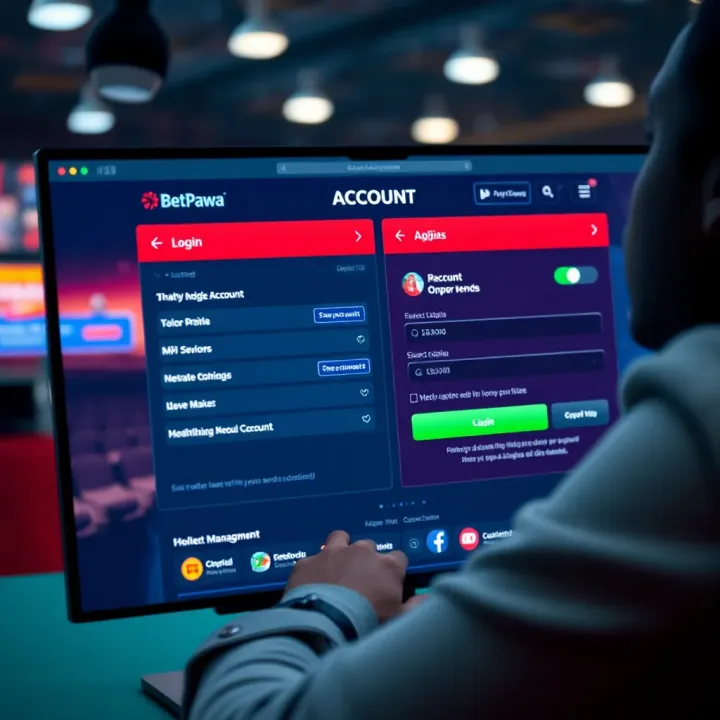
🎮 Learn how to easily access BetPawa's Aviator game in Nigeria. Get tips on account setup, secure login, fund deposits, withdrawals, and platform navigation. 💰
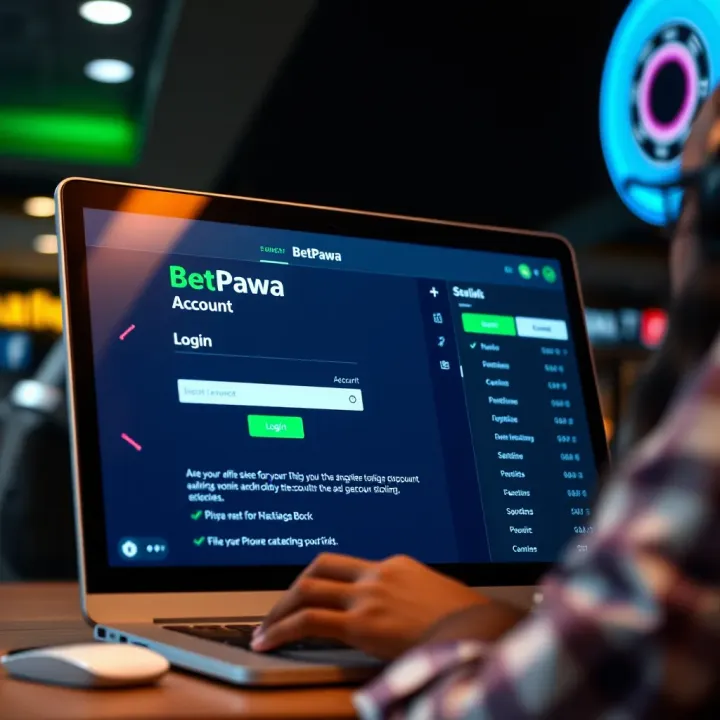
Explore BetPawa BJ ⚽— Nigeria's favourite betting site, with easy registration, secure payments, and local features. Stay safe and enjoy seamless sports betting today! 🔒💰
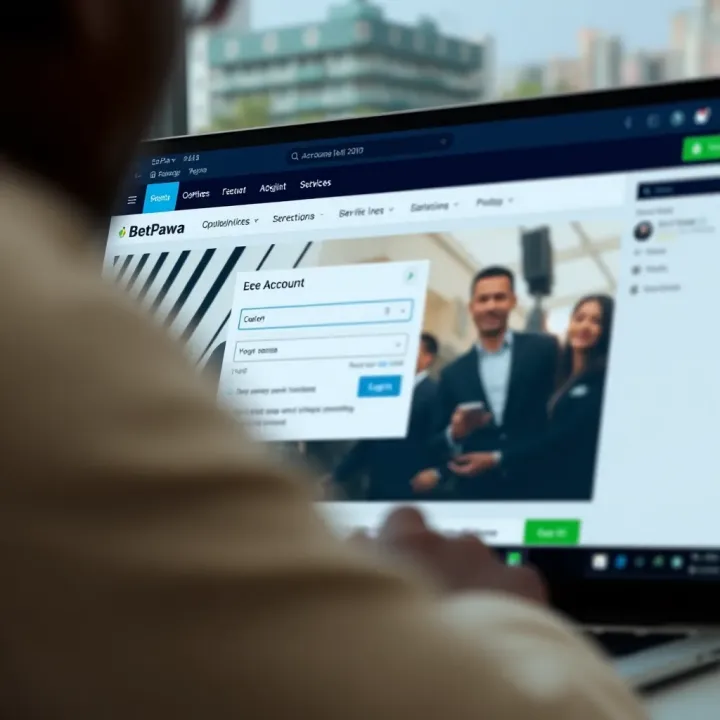
Explore BetPawa Aviator demo 🎮—learn how to play, win without risking ₦, and trust the secure, fair platform trusted by Nigerian gamblers ✅
Based on 13 reviews